



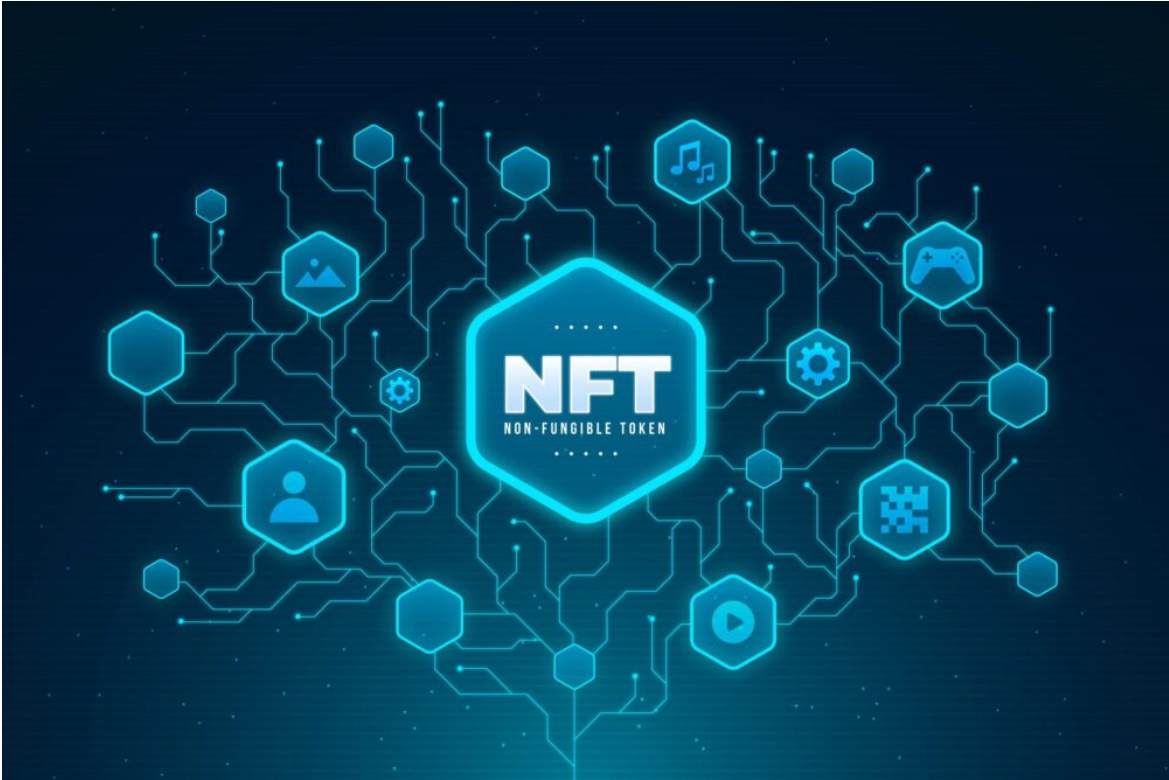

In the vast sea of digital assets, non-fungible tokens (NFTs) have sparked a wave of innovation with their unique properties. A product of blockchain technology, NFTs redefine the ownership and value of digital assets through their non-fungibility and unique identification. This article explores the development and success of NFTs, as well as their impact on diverse sectors such as art, gaming, and music, transforming business models and facing numerous challenges.
What are NFTs?
NFTs are unique cryptographic tokens on the blockchain that represent ownership of digital assets. Digital signatures give each NFT a unique identity, making it non-interchangeable. Unlike fungible cryptocurrencies like Bitcoin, NFTs emphasize uniqueness, making them ideal for authenticating and trading digital art, collectibles, and other assets.
These tokens, during the “minting” process, upload digital content to the blockchain. These tokens can then be bought and sold on platforms like OpenSea, Rarible, and Foundation, and stored in digital wallets, providing strong evidence of ownership and control.
The Global Rise and Development of NFTs
Although the concept of NFTs has been around for a long time, it truly gained widespread attention with the release of the CryptoKitties game in 2017. Players experienced a new way to own digital assets by purchasing, breeding, and trading virtual cats. Since then, the NFT market has grown at an astonishing rate, with total NFT trading exceeding $41 billion in 2021. The market has been fueled by the entry of art circles and institutional investors, driving its continued growth.
Highlights of Outstanding NFT Projects
- NBA Top Shot
Offers the sale and purchase of officially licensed NBA highlights, connecting sports fans with digital collectibles.
- CryptoPunks
Comprising 10,000 unique pixelated avatars, CryptoPunks was one of the earliest Ethereum NFT projects, with some pieces fetching millions of dollars.
- Axie Infinity
Through a play-to-earn model, players can breed, battle, and trade digital pets called “Axies,” with some rare Axies fetching exorbitant prices. This game has sparked a digital economy boom in countries like the Philippines.
Industry Transformation Driven by NFTs
NFTs have an impact far beyond art and gaming:
- Music Industry
The band Kings of Leon released an album using NFTs, which came with a unique artwork and lifetime concert tickets, pioneering a new model for music copyright. - Real Estate
NFTs represent digital property ownership, improving transaction transparency and efficiency. In 2017, Propy successfully completed its first real estate transaction on Ethereum. - Fashion Industry
Designers are creating digital clothing NFTs that can be used for virtual world experiences or as digital proof of physical clothing. The well-known digital fashion brand The Fabricant once sold digital clothing worth $9,500.
These examples demonstrate that NFTs are reshaping traditional industries, creating new business opportunities and profit channels.
Risks and Challenges in the NFT Industry
Despite its promising prospects, the NFT market remains fraught with uncertainty:
- Market Volatility
High price fluctuations and poor liquidity make it difficult to match buyers and sellers. - Environmental Impact
The blockchain minting and trading process consumes significant energy, raising environmental concerns. - Lack of Regulation
Incomplete regulations make the market vulnerable to fraud and scams. - Copyright Disputes
Anyone can mint NFTs without authorization, leading to frequent copyright issues. - Asset Custody Risk
The bankruptcy of the issuer may affect the access and ownership of digital assets. - Wash Trading
Fake transactions artificially inflate NFT prices, disrupting market order.
Therefore, investors must remain vigilant, choose trustworthy platforms, and conduct thorough research.
Future Outlook
With NFT trading exceeding $50 billion in total value, its influence continues to expand. Going forward, NFTs are expected to continue to drive innovation in digital asset ownership and explore more application scenarios. From art collections and copyright management to virtual real estate and digital fashion, NFTs are ushering in a new chapter.
NFTs, a unique innovation in the digital age, have not only transformed asset ownership but also stimulated the diversified development of the global digital economy. Only by understanding the risks and actively exploring them can we truly grasp the infinite possibilities of this field.